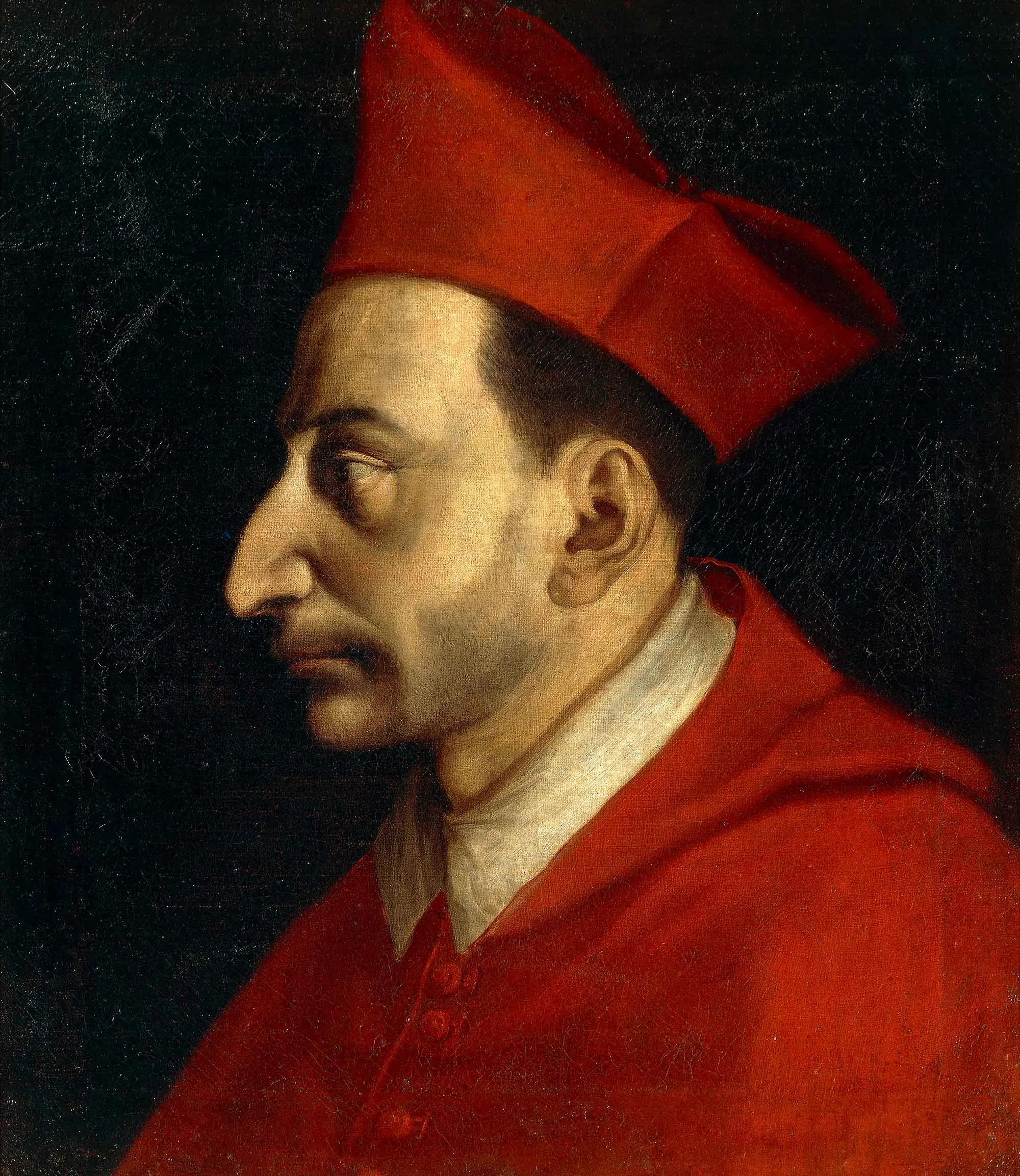
In the tranquillity of Lake Maggiore, in the small town of Arona, Charles Borromeo (San Carlo Borromeo) was born on 2 October 1538—a boy whose humility, wisdom and courage would inspire believers around the world for centuries. Born into the distinguished Borromeo family, he could have chosen a comfortable life of power and influence, yet from an early age he felt called to something greater, deeper and more sacred.
As a young man, he was already distinguished by his seriousness and thirst for knowledge. He earned a doctorate in canon and civil law at Pavia, and his uncle, Pope Pius IV, recognising Charles’s exceptional character, appointed him a cardinal and Archbishop of Milan. Although he was one of the youngest cardinals of his time, Charles carried out his duties with remarkable responsibility and humility.
As papal Secretary of State, he played a key role in bringing the Council of Trent to a close, a pivotal moment in the renewal of the Church. He was not a theorist working from the shadows, but a man who travelled, spoke with people, corrected injustices, educated the clergy, founded seminaries, opened doors to the poor and sought ways to make faith a source of light for everyone. He also founded a confraternity for religious instruction, wishing every child and every believer to encounter God in a clear and living way.
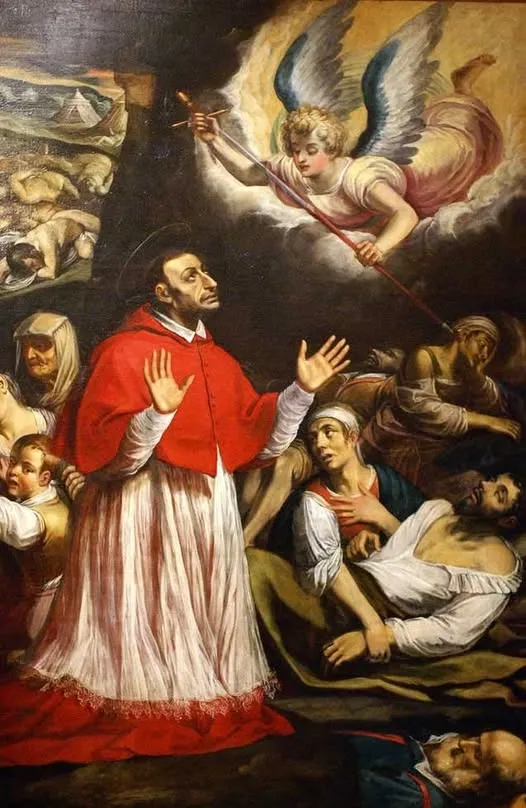
His holiness shone most brightly when Milan was struck by a terrible plague. While many fled, Charles remained. Day and night he visited the sick, comforted the frightened, distributed food and medicine, and offered what was perhaps most precious of all—the assurance that they were not alone. He set aside the conventions of his time simply to remain close to those who needed their shepherd.
He wore a rope around his neck as a sign of penance and prayed as he walked barefoot through the city, pleading for mercy for his people. He gave away his wealth down to the last coin and turned away from no face, no wound and no tear.
For all these reasons, people recognised a saint in him even during his lifetime.
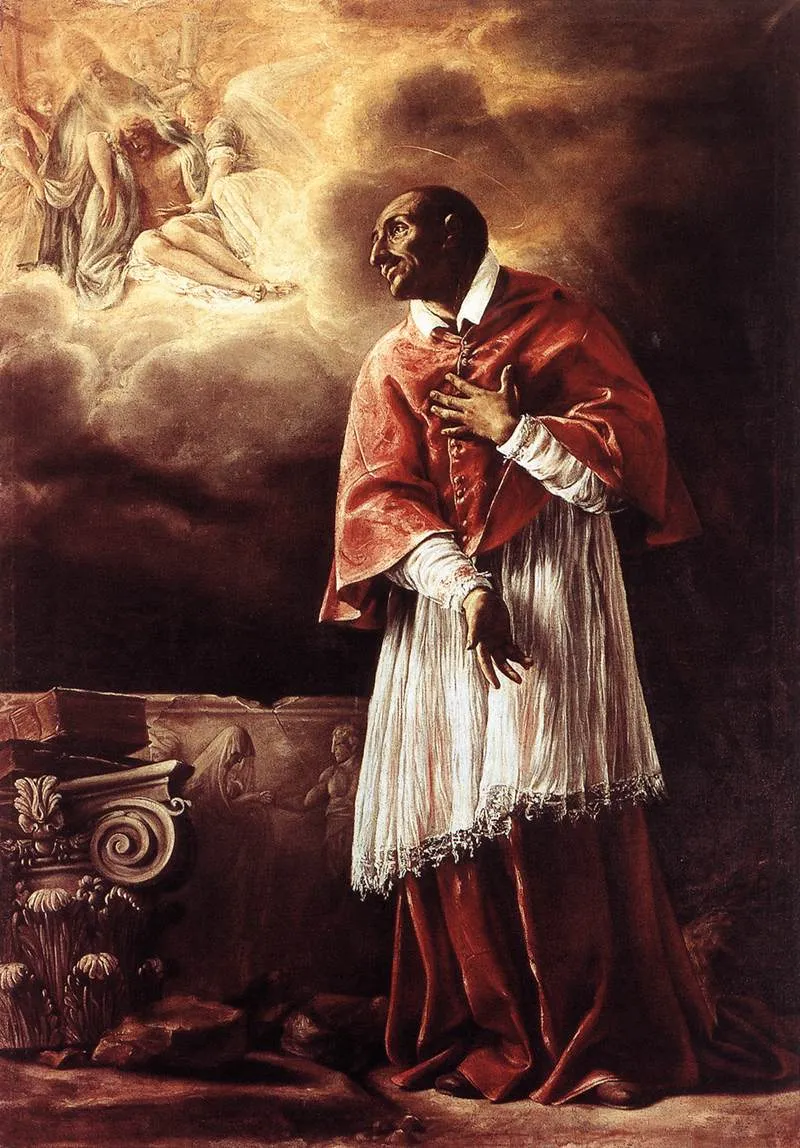
Charles died on 3 November 1584, and believers soon began invoking his intercession in illnesses of the stomach, ulcers, cramps and other sufferings of body and spirit. He became the patron saint of bishops, catechists, catechumens, seminarians, spiritual leaders and numerous towns, settlements and parishes. His image still adorns many churches and altars today, especially in places where the desire for renewal of the Church and the human heart remains strong.
His legacy is measured not only in books, letters and decisions, but in the example of his life. He understood that the true strength of the Church comes from humility, prayer and service to those in need. It is a message that does not grow old.
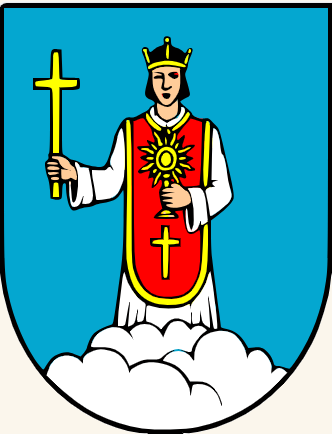
It was precisely because of this deep and lasting influence that the faithful of Karlobag chose to dedicate their church to him—as an expression of gratitude, as a vow and as a reminder that every day is an opportunity to live as he did: with devotion, courage and a faith that embraces the world.
The Church of St Charles Borromeo in Karlobag therefore bears more than his name. It carries his spirit: the spirit of a shepherd without fear, a man who loves, and a saint who continues to inspire.